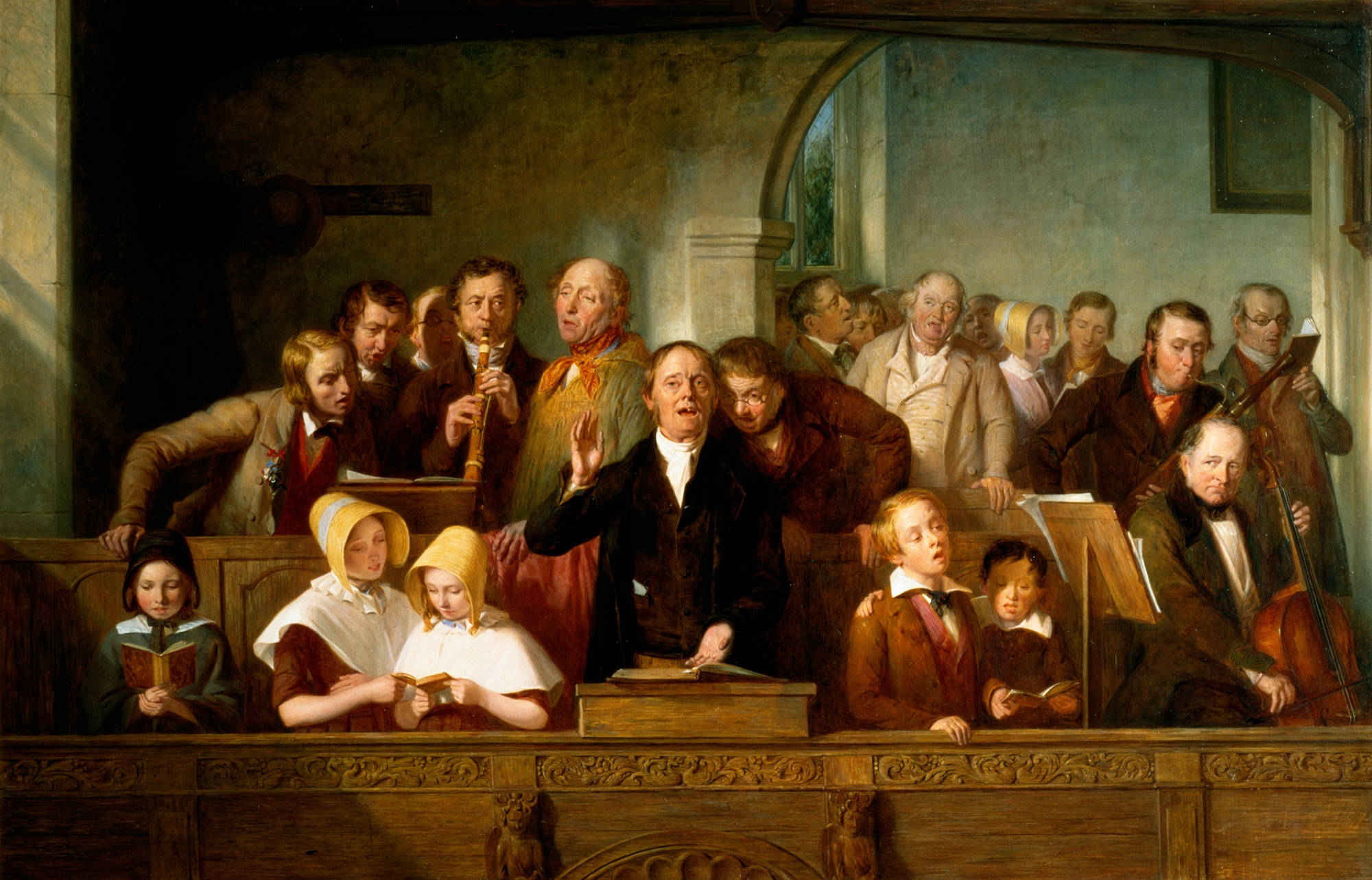

Welcome to this week’s blog post! Today, I will be looking at the church in music, c. 1700’s England. I will be reflecting on an extract of Nicholas Temperley’s The Music of the English Parish Church (1979), pg’s 1-4, and will also look at one tradition of rural music making, West Gallery Music.
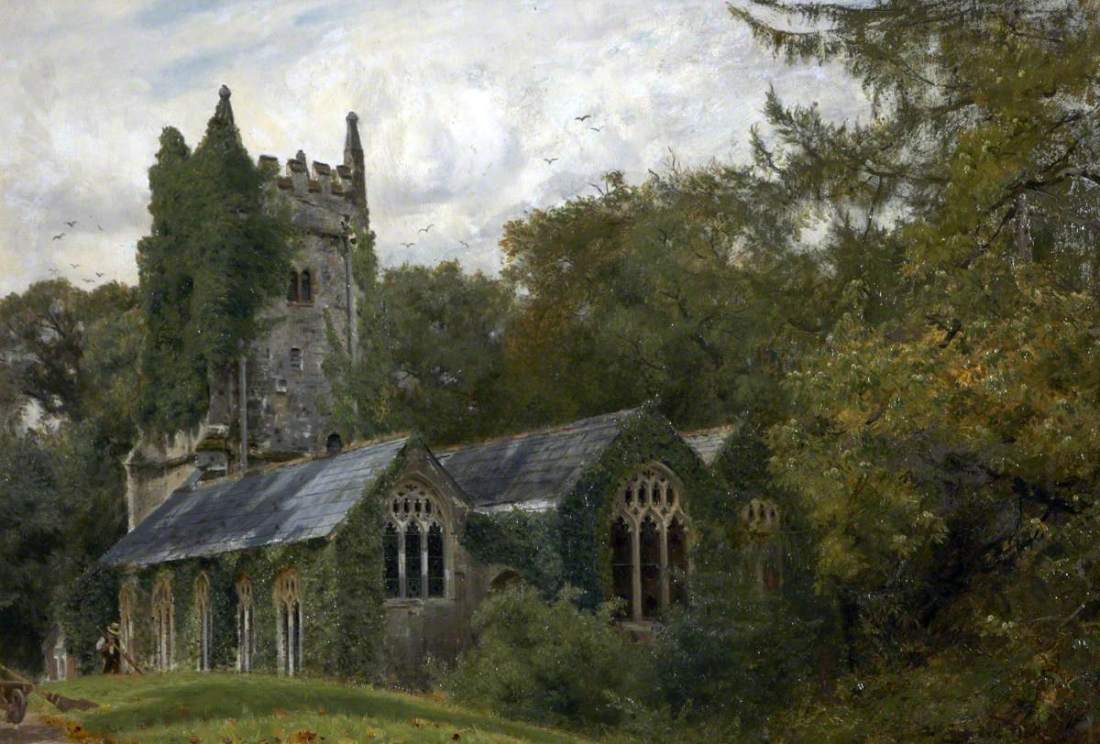
Religion has affected music, there is no doubt of that. Until this century, church music made up possibly one of the greatest proportions of the vocal repertoire. Religion has shaped the lives and minds of states, people and composers, and this comes out in many societies as very distinctive and sometimes imaginative flavours of music. As an atheist, I neither support nor object to this, but am very interested to see its effects on musical practice from a purely objective point of view. Anything that inspires interesting and beautiful music is fine by me.
Temperley’s introduction to his book is a very interesting read on this subject, eloquently written and easily readable. The overarching point that I take away is of the fractured, disparate nature of the Church of England, which allowed rural church traditions such as West Gallery Music to live and thrive. The different views by the different sects on how music should relate to worship is very interesting especially; the Puritanical view of having music easily understandable and existing to reinforce the scripture is not wholly unexpected, nor that the common people just wanted to listen to good music, but that the Quakers thought music unsuitable for church is very surprising to me. This viewpoint is and was very rare, thank goodness.
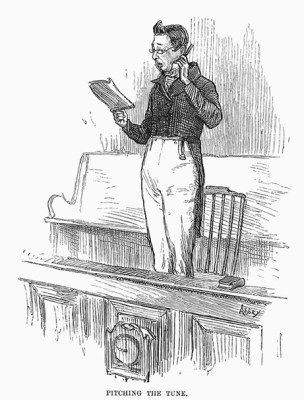
Due to the outcome of the English Civil War, the Anglican Church went through a Puritanical reform in the 1640’s, and the Puritans’ views on music were put into law. However, as discussed by Temperley, the Law and Church of England at the time proved to be equally disparate and convoluted, only protecting the church from flagrant disregard and eccentricity, with little power to enforce its will in the counties, allowing for some creative freedom.
Most rural churches and parishes couldn’t have afforded an accompanying organ. Subsequently, the minister would have led the congregation by chanting the verse with relative musicality, and the congregation would chant it back. Being untrained singers, this had predictable effects: as people tried to stay together, the pace got slower and slower,
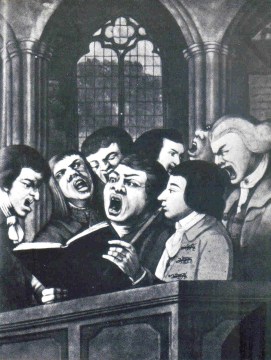
whilst as far as notes were concerned, they would overshoot, slide and ornament to their heart’s content, adding whatever fit their own concept of beauty. The result, while beautiful in its own way, was not exactly tuneful.
West Gallery Music (named thus because the choir, or “quire”, would have been situated in the upper gallery at the back of the church, which would almost always be in the west as most churches of the time were built facing east) has many similarities with this earlier tradition. Rising in the 1740’s, West Gallery Music, or “Psalmody” as the practitioners described it, was basically the pleasing and tuneful setting of psalms.
A slightly polished version of Psalmody. For possibly a more authentic hearing of West Gallery Music, click here and scroll down to the recording of As Shepherds Watched Their Fleecy Care.
Instruments such as viols, bassoons and oboes were brought in to accompany the choir, and ornamentation of the melody was totally left to the singers. West Gallery Music is very folky, with much of the music leading in the tenor, and involves many shakes and licks that would be recognized by many folk artists today. It also reminds me of the Australian group The Seekers. The texture and timbre between the two feels very similar. As the West Gallery tradition did transfer to Australia, might this be no coincidence?
Of course, not all interpretations were tasteful, and some were downright vulgar, but West Gallery music nonetheless gained a particular flavour and notoriety, surviving in that no-mans-land between “art music” and “folk music”, having some interpretations committed to paper and had a few composers, attracted by a possibly lucrative enterprise, compose for the genre, but on the whole remained an oral tradition, leading to a different style in almost every parish. As Temperly so eloquently puts it, “… an even greater source of variation is in the auditory context of the liturgy. Though the words themselves are laid down, it is not always certain whether they are to be said or sung and by whom. If they are said by the minister, his personal manner and emphasis will of course have its effect. If they are sung, the full resources of music, with all its powers over the emotions of men, are admitted to the service. On the use and selection of music the rubric is silent. Nor does it either authorise or forbid the introduction of instrumental music before, after, or during the service.”[pg 3]
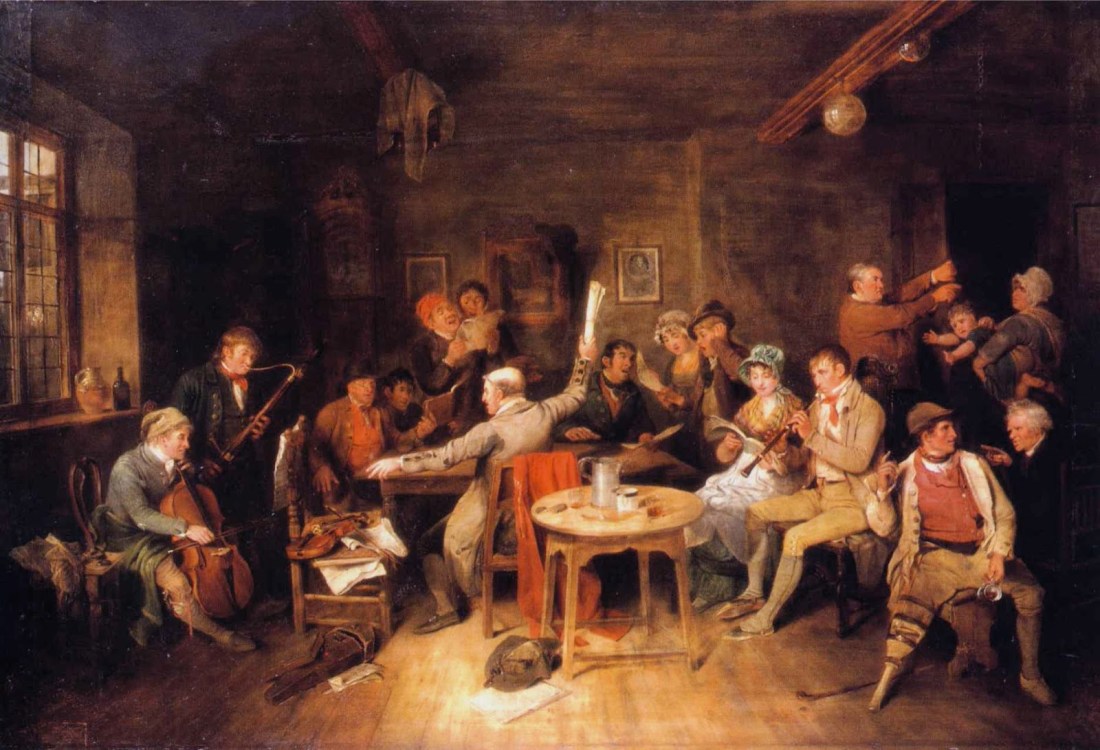
With this very well-expressed reason for accepting such wide varieties of religious expression in the very doctrine of the Church, such interpretations must have been fine.
Well, not really. Thanks to the Oxford Movement during the 1850’s, a reformation of the
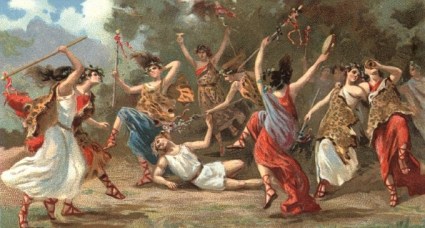
church took place. The Church finally got their act together, and instead of the Church’s money going towards the Bishop’s new horse and carriage, it was spent on the counties; new churches were built, and, thanks to the industrial revolution, cheaply made organs were also provided. West Gallery Music had been one of the Oxford Movement’s targets for a while: they generally objected to the bad singing, flagrant ornamentation and use of instruments (which in some circles was viewed as satanic – thankfully a view that does not seem to have survived into the modern age), which they thought made a mockery of God.
West Gallery Music disappeared, but not forever. The traditions had spread to other parts of the British Empire, to places such as Canada and Australia, and thanks to many contemporary accounts and those few interpretations and compositions written down, the tradition is now being revived. If you would like to visit the site of the West Gallery Music Association to find out more information about this fascinating tradition, simply click here.

